The Best Handgun Ammo for Self-Defense, Range Days, and Every Gun in Your Safe
Handgun ammunition is the heart of your firearm’s performance, and choosing the right round can make all the difference in your confidence and safety. Each cartridge combines a case, 6.5×55 Swedish Ammo for Sale primer, powder, and bullet that work together in a precise sequence to deliver reliable, repeatable energy. Matching your ammo to your specific handgun and purpose—whether for target practice, personal defense, or recoil-sensitive shooting—ensures you get the most control and comfort from every trigger pull. With the correct selection, you can trust that your handgun will cycle smoothly and your shot will land exactly where you intend.
Picking the Right Cartridge for Your Sidearm
Selecting the right cartridge for your sidearm hinges on balancing terminal performance, recoil control, and magazine capacity. For defensive use, a 9mm Luger offers the best blend of low muzzle flip and proven penetration, while .45 ACP delivers a heavier, slower round that excels in short-barrel platforms. Match the cartridge to your grip strength and follow-up shot speed—if you flinch, you’ve chosen wrong. Your firearm’s barrel length dictates velocity, so a compact gun benefits from a faster-burning powder load. Q: Should you choose +P ammunition for a compact carry pistol? A: Only if the manufacturer explicitly rates it, as increased pressure accelerates wear and recoil without guaranteeing deeper wound channels. Prioritize reliable feeding and shot placement over raw power; a round you shoot accurately beats one you dread firing.
How Bullet Weight and Velocity Change Recoil and Accuracy
Heavier bullets in a given cartridge produce more felt recoil because they generate a stronger, slower impulse, while lighter bullets at higher velocity snap the muzzle faster but reduce the total thrust. This recoil timing directly affects accuracy: a heavy slug’s prolonged push can pull your sight picture off target if your grip lags, whereas a light, fast projectile often exits before your wrist torques, preserving alignment. To maintain precision, match bullet weight to your handgun’s recoil spring—if the slide cycles too fast or slow, the barrel’s return to battery shifts your next shot’s impact. Velocity also determines drop at extended ranges, so a 115-grain load at 1,200 fps arcs less than a 147-grain at 950 fps, but the latter’s slower flight can feel steadier for controlled pair drills. Ultimately, matching bullet weight to your natural grip strength yields tighter groups because your body must absorb the same energy with identical muscle tension each trigger pull.
Full Metal Jacket vs. Hollow Point: What Each Rounds Does Best
Full metal jacket rounds excel at penetration and reliable feeding, making them the optimal choice for range practice and competition where over-penetration isn’t a concern. Their copper-coated lead core punches through barriers cleanly and cycles flawlessly in any semi-auto. Hollow points, however, are the undisputed king for self-defense. Upon impact, the hollow cavity expands, creating a larger wound channel while transferring energy rapidly and drastically reducing the risk of collateral damage. For stopping a threat, expansion beats penetration. Choose FMJ to train, but load hollow points to carry. The sequence is simple: practice with FMJ, then switch to hollow points for real-world protection.
Understanding Calibers and What Your Gun Actually Needs
Understanding calibers starts with matching the cartridge to your gun’s stamped specifications, not your ego. A 9mm Luger, .40 S&W, or .45 ACP each deliver distinct pressure curves and recoil impulses; your firearm’s barrel, spring, and feed ramp are tuned for one specific round, so firing a different caliber—even if it physically fits—risks catastrophic failure. For practical defensive use, prioritize proven ballistics over novelty: a standard-pressure 9mm with quality hollow points offers adequate penetration and manageable follow-up shots, while a subcompact .380 may be easier to carry but demands stricter shot placement. Your gun “needs” .338 Lapua Ammo for Sale the caliber it was designed for, not the one that sounds impressive on paper. Before buying bulk ammo, test 2–3 loads of your exact caliber to verify cycling and point-of-aim, because reliability with your specific barrel is more critical than any ballistic table, and a malfunctioning round is worse than a slightly weaker one.

9mm, .45 ACP, or .380: Matching the Round to Your Grip and Skill
Choosing between 9mm, .45 ACP, and .380 really comes down to how the gun fits *your* hands and how well you can control it under recoil. A snappy .380 in a tiny frame might be harder to grip firmly than a heavier 9mm with a full-size handle, so don’t dismiss it as “weaker.” Meanwhile, a .45 ACP’s push can feel manageable for larger palms but punish a smaller grip, causing you to flinch. The best move is to match the round to your grip strength, not the hype—rent each at a range, shoot a few magazines, and see which lets you keep both eyes open and sights on target. Skill matters more than power.
Why Barrel Length Alters Ballistic Performance More Than You Think
Barrel length shifts ballistic performance because it dictates how long expanding gases push the bullet before it exits the muzzle. A shorter barrel—say 3 inches—releases pressure earlier, so velocity drops significantly, often 50–100 feet per second per inch lost. This matters because handgun ammo relies on minimum velocity to expand reliably; drop below that threshold and hollow points may act like full metal jackets, over-penetrating without dumping energy. Longer barrels also allow slower-burning powders to fully ignite, improving consistency. Velocity loss from short barrels is the primary hidden variable when comparing loads across different handguns. When evaluating ammo for your carry gun:
- Check the manufacturer’s velocity data against your exact barrel length, not the test barrel.
- Choose a bullet designed for lower velocity if your barrel is under 4 inches.
- Test penetration and .32 ACP Ammo for Sale expansion with your actual firearm, since pressure curves change with length.
Choosing Defense Loads That Stop Threats Effectively

Choosing defense loads that stop threats effectively begins with bullet design, not raw power. Select premium jacketed hollow points (JHP) that reliably expand to roughly 1.5 times their original diameter while penetrating 12–18 inches in ballistic gel. This balance ensures the bullet crushes vital tissue without over-penetrating through an attacker into bystanders. Barrier performance matters: test your chosen load through heavy clothing, denim, and auto glass, as plugs in hollow points can clog and prevent expansion. Also, verify function in your specific handgun—a load that feeds flawlessly in one pistol may jam in another. Recoil impulse affects shot placement, so prioritize a load you can shoot accurately and rapidly under stress. Quick Q&A: What is the fastest way to verify a defense load’s terminal performance? Check independent gelatin tests using the same barrel length as your carry gun, then run 200 6.5x57R Ammo for Sale rounds through your pistol for reliability. Stick with proven brands like Federal HST, Speer Gold Dot, or Hornady Critical Duty, and avoid reloads or exotic rounds for self-defense.
Expansion, Penetration, and Barrier Performance in Self-Defense Rounds
Expansion dictates the wound channel’s diameter, but penetration depth determines whether that channel reaches vital structures. In self-defense rounds, a bullet must expand reliably through clothing yet retain enough mass to pierce roughly 12–18 inches of ballistic gel. Barrier performance, however, complicates this: intermediate barriers like auto glass or drywall strip hollow-point petals, reducing expansion and often causing under-penetration. Conversely, full metal jackets defeat barriers but over-penetrate soft tissue, risking collateral damage. *A round that expands perfectly in bare gel may fail catastrophically through a windshield, so terminal performance must be validated across stratified media.* The ideal defensive load balances aggressive expansion at handgun velocities with sufficient sectional density to push through bone, while its jacket design resists barrier-induced fragmentation.
Comparing Standard Pressure vs. +P Loads for Personal Protection
For personal protection, the core trade-off is terminal performance versus shot-to-shot controllability. Standard pressure loads, typically 9mm Luger at 35,000 psi, offer reliable expansion and easier follow-up shots, especially in compact pistols where perceived recoil is sharp. +P loads, operating near 38,500 psi, generate roughly 5–10% higher velocity, which can improve bullet expansion at longer ranges and aid in penetrating heavy clothing. However, that extra pressure increases muzzle flip and slide velocity, potentially delaying sight re-acquisition during rapid fire. In practice, +P is only beneficial if your firearm is rated for it and you can maintain equal accuracy and split times. For many shooters, standard pressure bonded hollow points are sufficient; +P becomes a niche choice for those needing maximum barrier penetration.

- Confirm your pistol’s manufacturer rating specifically for +P before carrying it.
- Test both types in your actual carry gun to measure muzzle flip and split times.
- Choose standard pressure if your follow-up shot accuracy degrades with +P by more than 10%.
- Prefer +P in 3-inch barrels to counteract velocity loss Ammunition for Sale from short sight radius.
Finding Cheap Practice Rounds Without Sacrificing Reliability
You finally zero in on a box of budget-friendly handgun ammo, only to have a light primer strike or a squib load ruin your range session. The secret to finding cheap practice rounds without sacrificing reliability is to prioritize brands known for consistent manufacturing, not just the lowest price tag. I’ve learned that buying in bulk from reputable importers like Sellier & Bellot or Blazer Brass often drops the cost per round below premium defensive loads, while still feeding flawlessly through my Glock and Sig. Stick with brass-cased, round-nose FMJs from established makers, and avoid unknown re-manufactured batches that save you a few bucks but risk a jam. Test a hundred rounds first; if they cycle cleanly, they’re good enough for your next thousand.
What to Look for in Budget Ammo for Range Drills and Training
When grabbing budget ammo for range drills, your first filter is consistent primer ignition—if you get light strikes or duds, your practice rhythm dies instantly. Stick to brass-cased, new-production rounds from reputable budget lines like Federal Champion or Blazer Brass, because reman or steel-case can jam up your extractor over time. Check that the bullet weight matches what you carry, so your recoil impulse and point of aim stay familiar during drills. A quick shake test can reveal loose powder or rattling bullets—skip anything suspect. For training, you don’t need match-grade precision, but you do need rounds that feed, fire, and eject every single time.
- Look for a 100-round box price under $15—if it’s cheaper than that, question the quality.
- Verify the muzzle velocity is close to your defensive load’s specs to keep your flinch response 6.5x57mm Mauser Ammo for Sale honest.
- Run 50 rounds through your actual handgun first—if 6.8 SPC Ammo for Sale it hiccups, that batch is a no-go.
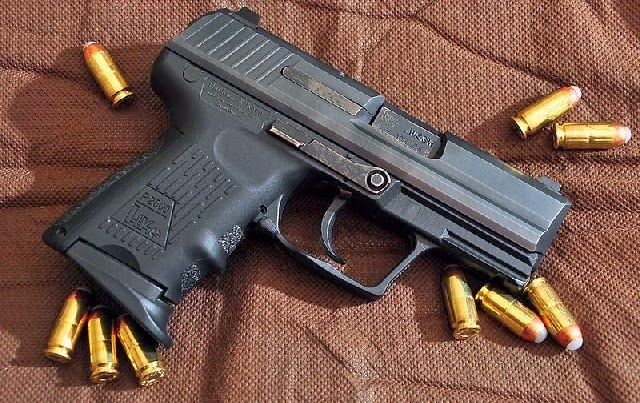
How Recoil Sensitivity Affects Your Shooting Form and Follow-Up Shots
Your grip and stance will betray even the smallest recoil sensitivity, especially when you’re shooting budget-friendly handgun ammo. A flinch—often born from anticipating a sharp snap—pulls your muzzle low and left, wrecking your first shot’s precision. That same sensitivity then ruins your **follow-up shot cadence** because your wrists absorb torque unevenly, forcing your sights to bounce off target instead of settling naturally. Cheaper loads with inconsistent powder charges amplify this, making each trigger press a gamble. The fix isn’t just buying lighter rounds; it’s mastering a high, thumbs-forward grip that transforms recoil into a predictable push, letting you re-acquire the front sight faster and .32 Win Special Ammo for Sale fire controlled pairs without re-gripping mid-string.
Q: How does recoil sensitivity directly ruin follow-up shots?
A: It makes you over-grip at the last second, locking your elbows and creating a stiff, jerky motion. That rigidity turns recoil into a violent rock, not a smooth roll—so your muzzle dips, your support hand slips, and your second shot lands inches off target before you’ve even processed the first miss.
Storing Your Ammo So It Stays Fresh and Fires Every Time
To keep handgun ammo firing reliably, control moisture and temperature above all else. Store cartridges in sealed, airtight containers—like military-style ammo cans with rubber gaskets—and add desiccant packs to absorb humidity. Avoid basements or attics where condensation and heat spikes degrade primer compounds and powder. Consistent, cool, dry storage directly preserves primer sensitivity and propellant burn rate, ensuring each round ignites when the trigger breaks. Rotate your carry ammo every six to twelve months, firing the old load at the range, because even perfect storage doesn’t stop natural lubricant drying or sealant aging. Inspect brass for green corrosion or tarnish before loading magazines, and never store loose rounds in leather or fabric pouches that trap sweat and oils.
Sealed plastic bags with a silica pack inside a steel can will protect handgun rounds for years, but only if you keep them out of direct sunlight and away from any heat source.
For semi-autos, test a full magazine after long storage to catch any feeding or ignition issues before relying on them for defense.
How Temperature and Humidity Impact Primer and Powder Longevity
Heat accelerates the chemical breakdown of nitrocellulose-based propellants, shortening powder longevity by producing unstable nitrate esters that degrade burn rates. Humidity above 50% invites moisture into primers, where hygroscopic compounds clump and fail to detonate reliably, while condensation inside cases corrodes the case wall and contaminates powder. Thermal cycling and moisture exposure jointly stress sealants, letting airborne water reach the primer flash hole. Store handgun ammo between 55–75°F and 30–40% RH for maximum https://specialtysportsandsupplyltd.com/ lifespan; below freezing slows aging but risks condensation on warmup, and above 90°F halves effective powder life within months.
Signs of Deterioration That Tell You to Retire Old Stock
Trusting handgun ammo past its prime is a gamble you will lose. The first unmistakable sign is corrosion flecking the brass, appearing as green or white powder that compromises case integrity and invites case-head separations. Secondly, check for bullets seated too deep or too loose—a bullet that spins freely in the neck or sits noticeably recessed signals powder breakdown and pressure instability. Third, inspect primers: a flattened, cratered, or leaking primer face indicates propellant deterioration has spiked internal pressures unpredictably. Finally, if rounds fail to chamber smoothly due to swollen, dinged, or dented cases, retire them immediately. Do not fire suspect stock for testing; disposal is the only safe response. Your gun’s reliability depends on retiring any round showing these warnings without hesitation.
Solving Common Feeding, Jamming, and Misfire Issues
Feeding, jamming, and misfire issues often trace directly to ammunition specifications, not the firearm itself. First, verify your handgun’s cartridge overall length (COL) matches factory spec, as hand-loaded rounds that are too long will catch on the feed ramp, while excessively short rounds can cause the projectile to set back into the case during cycling. Always inspect the bullet’s crimp and case mouth for a distinct, uniform roll; a weak crimp allows the round to jump forward under recoil, jamming against the barrel hood. Choose the bullet profile suited to your gun’s feed geometry—for example, round-nose flat points (RNFP) generally feed more reliably than sharp hollow points in tight chambers. Misfires most commonly stem from a light primer strike, which can occur if the primer is seated too deep or if the round fails to fully headspace on the case mouth; check that the case rim sits flush. However, even premium ammunition can fail intermittently if your extractor is not properly tensioned, so always confirm the round is fully seated before blaming the cartridge itself. Finally, when a jam occurs, clear the magazine and manually rack the slide to eject the malformed round—do not attempt to force-feed a stuck cartridge.
How Case Shape and Bullet Profile Influence Magazines and Feed Ramps
Case shape and bullet profile are the real bosses of magazine and feed ramp geometry. A **round-nose flat-point bullet** (like typical FMJ) glides up a feed ramp smoothly, while a sharp hollow point can snag on the ramp’s edge if the angle is too steep. Similarly, tapered cases (like 9mm) stack more predictably in a double-stack magazine, but straight-walled cases (like .45 ACP) can tilt during the push, making the feed ramp’s polish critical. A blunt profile needs a steeper feed ramp to avoid nose-diving; a pointy profile might skip over the ramp entirely. Always test your chosen handgun ammo’s shape with your mags—some polymers flex differently under sharp shoulders.
What to Do When a Round Fails to Ignite or Gets Stuck
When a round fails to ignite, keep the muzzle pointed downrange, wait a full ten seconds, then eject and inspect the primer. A light strike means you can safely rechamber that round, but a dimpled primer with no bang suggests a bad batch—toss it. If a case gets stuck during extraction, lock the slide back, use a cleaning rod to tap it out from the muzzle end, and .35 Remington Ammo for Sale check the chamber for burrs or excess fouling before continuing. Tap, rack, and assess is your go-to routine, but never force a stuck case—you’ll only damage the extractor. Patience beats prying when brass is wedged tight.
- Wait ten seconds before ejecting a suspected hangfire.
- Lubricate the chamber lightly to prevent future stickage.
- Use a rod or dowel from the muzzle to free stubborn cases.
- Inspect the ejector and extractor after every jam.