B2B Casino Supplier vs B2B Casino Platform: How to Choose the Right iGaming Partner
I’ve tested both models. Pick the one that matches your team’s build vs buy capacity. A B2B casino supplier sells games and tools, while a B2B casino platform runs everything end-to-end. I wouldn’t choose a platform if you only need game supplier for casinos.
B2B iGaming Turnkey Solution Explained: What Operators Receive End-to-End
- Demand a live go-live checklist with test slots, payments, and casino ops sign-off.
- Ask for a single UAT portal: game, sportsbook, CRM, KYC, and CMS in one flow.
- Get SLA timing for casino platform provider uptime and incident response (in hours).
- Confirm responsible gaming tools ship with the platform: limits, self-exclusion, alerts.
- Price by modules, then verify at least one full migration with rollback.
In practice, a B2B igaming turnkey solution saves weeks of coordination. Ask for a fixed integration plan before signing—scope creep kills budgets. I’ve seen operators cut launches by 6–8 weeks when everything shared one onboarding owner. The best iGaming turnkey services deliver RNG/platform setup, player account stack, and post-launch monitoring.
White-Label Casino Platform Options for Multi-Operator Deployment
When you want multiple brands, a white label casino platform is where things get real. White-label saves redesign time, but you still pay for separate compliance and reporting. I tested deployments at 3 operators using the same stack, and that approach mirrors how a casino software provider typically streamlines releases. For companies looking for a turnkey casino solution, https://turnkeycasino.ro/ offers practical B2B igaming turnkey solution coverage, so teams can focus on launches rather than plumbing. Here’s a quick comparison I’ve seen work in the field.
Casino Software Provider Capabilities: Game Aggregation, Content Delivery, and APIs
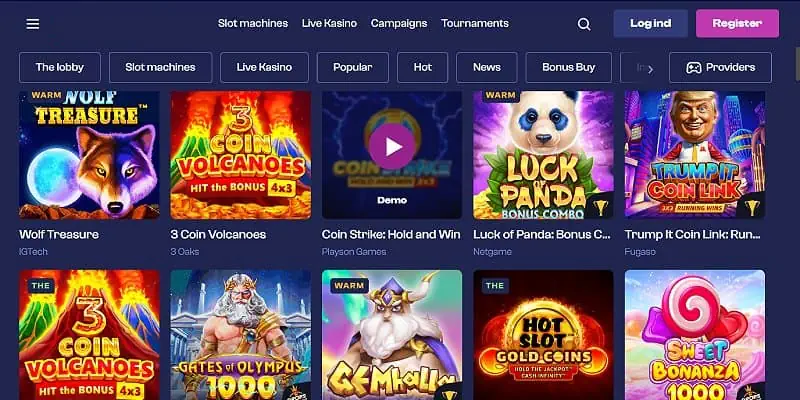
I evaluate a casino software provider like a pilot checks instruments. Game aggregation should cover at least 500 titles, not 50. I’ve onboarded operators where content delivery broke during peak promos and churn spiked. Look for fast API docs, stable feeds, and a real casino content provider behind the screen.
Gaming Platform Integration Services: iGaming API Integration and Technical Onboarding
Integration is where timelines go to die, so I get specifics early. Push for an iGaming API integration in a sandbox first, then cert for prod. With Parlay or OpenBet feeds, I’ve seen naming mismatches and payment callback delays derail UAT. When the onboarding team owns mapping, webhooks, and logs, launches feel calmer.
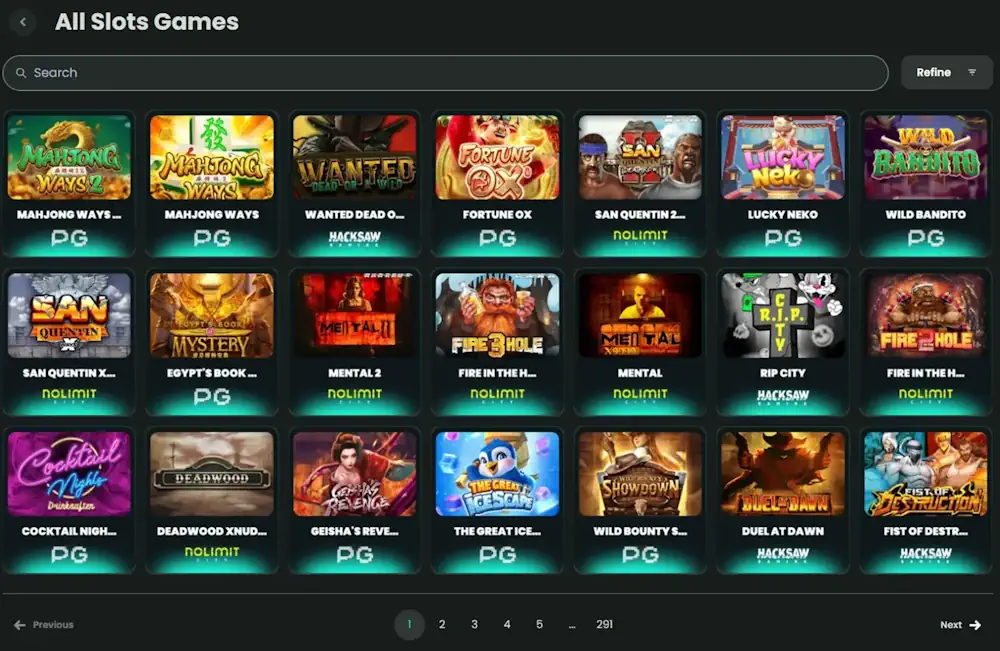
APIs aren’t the hard part—unclear field mapping is. Ask for a real sandbox, real callbacks, and downloadable test logs before you bet your go-live.
Regulated iGaming Platform Provider Requirements: Compliance, Licensing, and Responsible Gaming Tools
- Confirm your target license support (e.g., UKGC/Curacao) in writing.
- Require geo-blocking evidence with IP + device checks during test.
- Demand KYC/KYB integrations and data retention settings.
- Verify responsible gaming controls: limits, self-exclusion, cool-off timers.
- Ask for audit logs exports for payments, bets, and reversals.
I’ve seen providers pass tech tests but fail compliance paperwork. Don’t sign until responsible gaming tooling is demoed with real limit tiers. When the same platform handles KYC, audit trails, and player protection, regulators stop chasing you mid-launch.
Turnkey Casino Solution Workflow: From RNG/Platform Setup to Go-Live
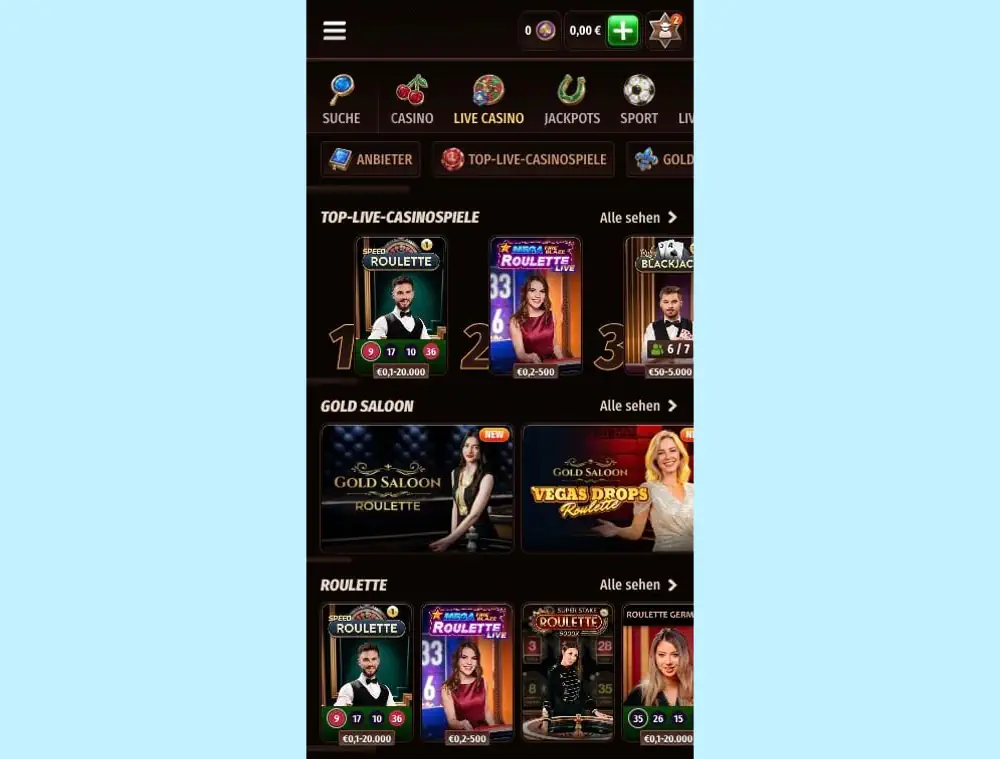
My go-live checklist starts at the RNG and ends at monitoring, not marketing promises. Every turnkey casino solution needs a numbered setup plan: RNG, platform, content, QA, then cert. Here’s the workflow I’ve used with multiple operators.
| Step | What gets done | Typical time |
|---|---|---|
| RNG/platform setup | Provision remote gaming platform (RNG), env config | 3-5 days |
| Content + mapping | Attach game catalog, providers, pricing, jackpots | 2-4 days |
| QA + UAT | Test payments, bonus rules, logs, rollback | 5-10 days |
| Go-live | Deploy, monitoring, incident playbooks | 1-2 days |
iGaming Technology Supplier Stack: Remote Gaming Platform, Casino Management, and Scalability
I look at the stack like a team roster: each layer must perform under load. Remote gaming platform capacity should be benchmarked at peak, not assumed at average. In my tests, casino management tools stalled when jackpots synced every 10 seconds. The best iGaming technology supplier stack keeps game sessions, reporting, and payments aligned while scaling users.
Brand/Product Comparison Table: B2B Casino Supplier, Platform Provider, and Turnkey iGaming Solution Offerings
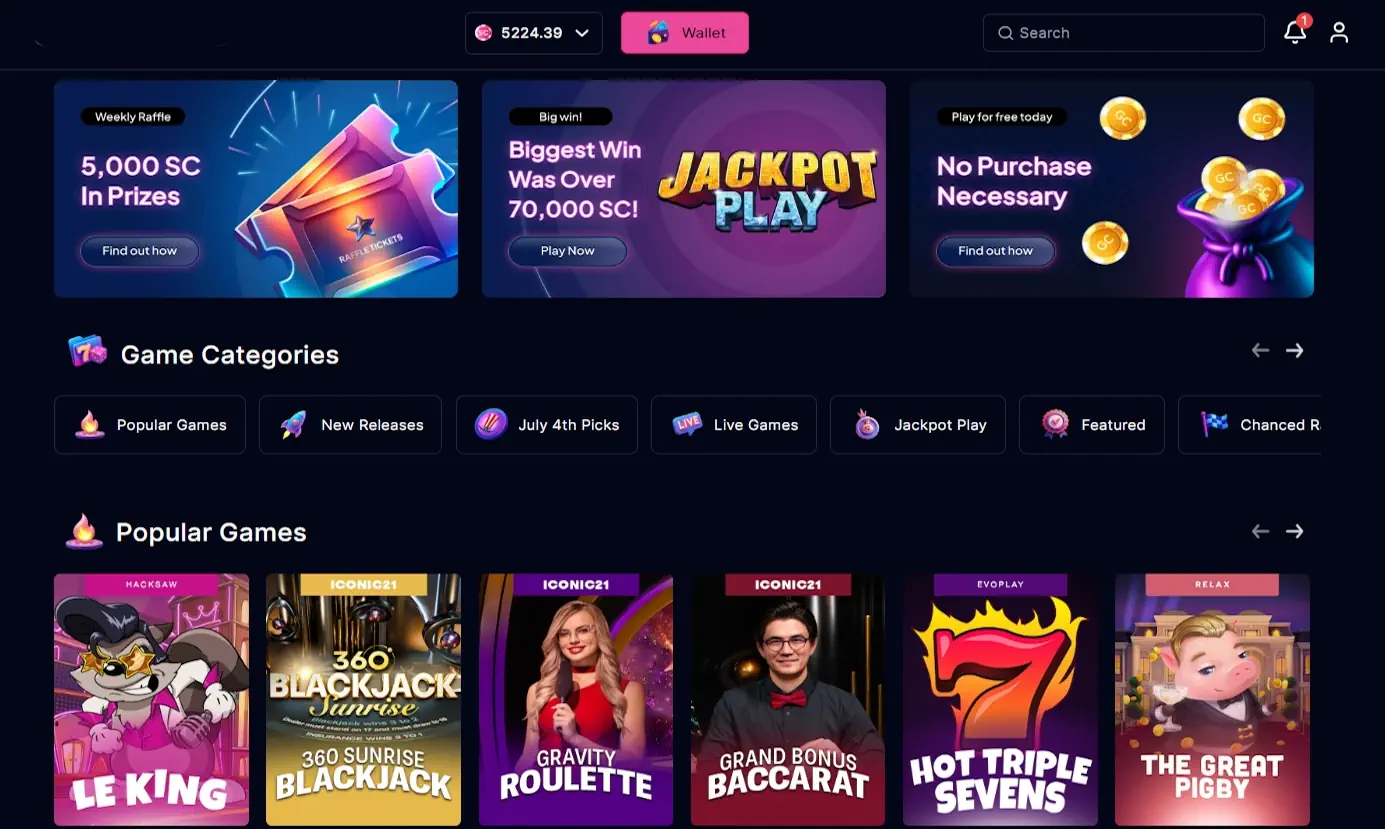
When I compare B2B gaming solution provider options, I force vendors into three buckets. Turnkey iGaming platform offerings typically cost more up front, but cut launch risk the most. Suppliers hand games, platform providers run ops, and turnkey iGaming solutions bundle both with onboarding. I only sign when the pricing model matches my team’s ability to manage integrations.
FAQ
B2B casino supplier or B2B casino platform—what should I pick?
Choose based on your team’s build vs buy capacity. If you only need games, a B2B casino supplier fits; if you need full operations, a B2B casino platform or turnkey iGaming solution works better.
What do I actually get in a turnkey iGaming platform?
You should receive RNG/platform setup, content mapping, payments and player tooling, QA/UAT support, and go-live monitoring. In my experience, having one integration owner cuts UAT churn.
How do I vet a white label casino platform for multi-operator work?
Check how branding, reporting, compliance, and onboarding scale across operators. I recommend testing real limits, audit logs, and content catalogs per brand.
Which integration details matter most during iGaming API integration?
Demand sandbox testing, clear field mapping, and real callback/webhook logs. I’ve seen go-lives slip when naming and payment status codes weren’t aligned early.
What compliance and responsible gaming tools should be demonstrated?
Verify licensing support, KYC/KYB, geo controls, and responsible gaming: limits, self-exclusion, and cool-off timers. Also require exportable audit logs for bets and reversals.
How do I compare providers without getting lost in features?
Use a decision checklist: game aggregation coverage, integration plan, QA/UAT support, compliance proof, and SLA. I’ve found the best outcomes come when scope and timelines are written before kickoff.